

01: Some Things Have To Fall Away
I want to tell you why this film exists before I tell you what happens in it.
Resonance took shape in the quiet that followed my father's passing. The script came together during a period of professional stillness that happened to coincide with personal loss - and loss, I've found, has a way of making space for the kind of reflection that produces your most honest work, whether you're ready for it or not.
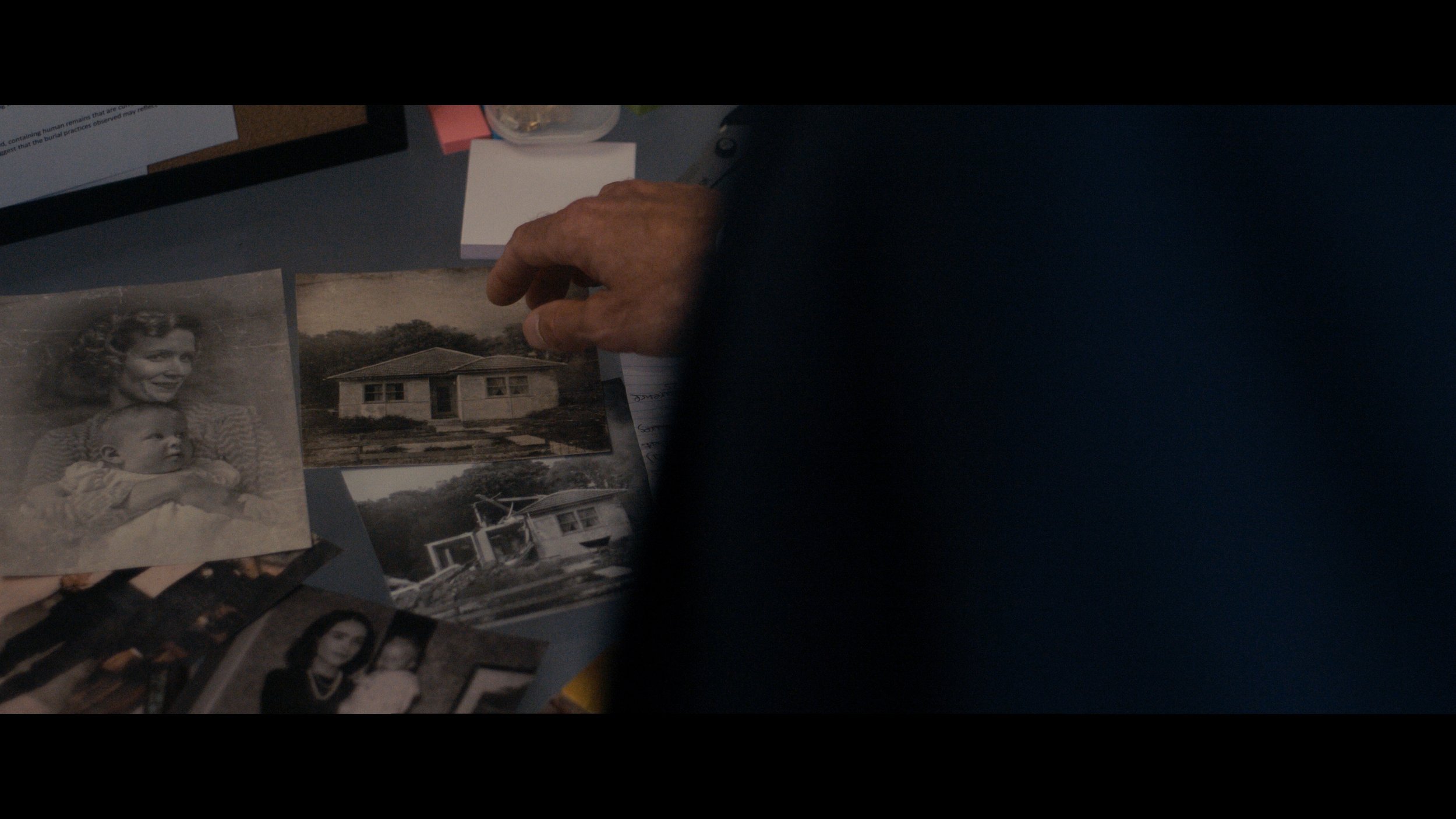
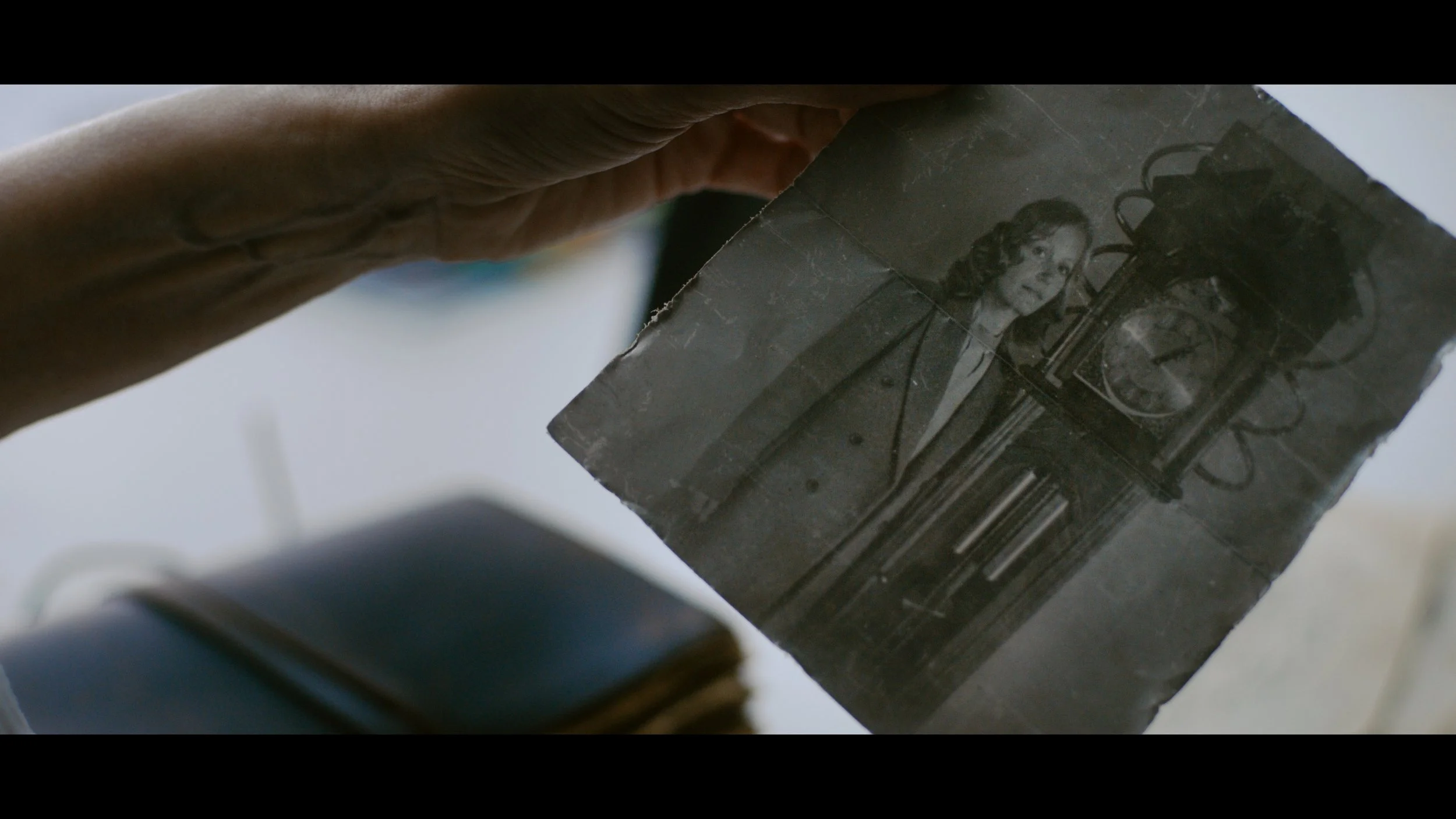
Around that time, my sisters and I were sorting through my father's belongings - his photographs, the countless objects he'd tinkered with over decades. We kept pausing. Every item unlocked something: a memory, a question, a conversation we hadn't had in years. It became clear to me, in a very unromantic and immediate way, how much of a person can survive in the objects they leave behind. Not everything. But enough.
Not long after, an opportunity came up to film in an extraordinary location, and I started writing without much of a plan. What came out on the page were the exact things I'd been living with for months: the complicated bonds between parents and children, the artefacts we leave for the people who come after us, and the way moments from different eras seem to stay in conversation with each other long after they should have gone quiet.
Clara is what happened when I pointed that at a character instead of at myself. She spends her life studying other people's histories - meticulous, patient, the sort of person who can reconstruct a stranger's life from fragments. What she's not good at, what she's spent just as long avoiding, is her own.
Amelia doesn't let her get away with it.
That's the engine of the film - a legacy that refuses to stay buried, a woman forced to excavate the one history she's spent her career avoiding: hers.
There's an image that runs through the whole script, one I kept returning to before I knew how the story would end. Clara's father teaches her to build sandcastles - not despite the tide coming in, but almost because of it. Build the thing knowing it won't last. Later, someone throws that same image back at her as a cruelty, proof that everything she makes is temporary and therefore worthless. By the end, she takes it back, but not as an argument against the tide.
As an argument for building anyway.
"Some things have to fall away so others can stand."
That's not as sad as it sounds. Some things we make are only meant to last long enough to teach the next person how to build. That's not failure. That's the whole point of them.
Wrapped up in what is, on its surface, a fun, old-school adventure puzzle of a story, Resonance is really about how we exist in several timeframes at once - honouring what came before us while sending out ripples we'll never live to see land. The past doesn't change. But what we do with it now quietly decides what comes next.
You don't need to know anything about VFX pipelines or festival strategy or how a three-week shoot on a borrowed property became a feature film to understand this film. You just need to have inherited something - a house, a habit, a box of someone's old belongings - that you didn't ask for and can't hand back. If you have, some part of this film already belongs to you.